





GLP-1 Plans

0 Treatments

3 FAQs
Request a treatment to be reviewed by a UK certified and trained clinician.
Foundayo Pill from £90
Wegovy from £91
Wegovy Pill from £95
Mounjaro from £145
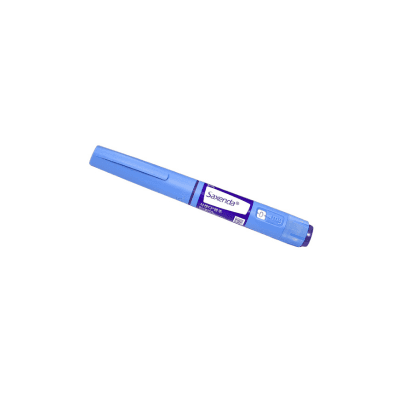
Saxenda from £124.99

Treatments (0)
Advice for GLP-1 Plans
GLP-1 Injections (e.g. semaglutide) – How They Work
GLP-1 (glucagon-like peptide-1) injections are used to treat type 2 diabetes and obesity. They help regulate blood sugar and reduce appetite, leading to weight loss. GLP-1 is a natural hormone released by your gut when you eat.
It:
Stimulates insulin release from the pancreas
Reduces sugar release from the liver
Sends signals to the brain that you are full
However, natural GLP-1 breaks down very quickly. GLP-1 medications are designed to last much longer (from 1 day up to 1 week), which strengthens and prolongs these effects.
GLP-1 Plans FAQs (3)
Weight management in the UK is a topic of great importance due to the increasing prevalence of overweight and obesity in the population. The UK, like many other countries, faces significant public health challenges related to weight-related diseases such as type 2 diabetes, cardiovascular diseases, and certain types of cancer. To address this issue, the UK has implemented various strategies and programs aimed at promoting healthy weight management and supporting individuals in their weight loss efforts.
One of the key approaches to weight management in the UK is through lifestyle modifications, including dietary changes and increased physical activity. The National Health Service (NHS) provides guidelines and resources to help individuals adopt a balanced and healthy eating plan. The Eatwell Guide, developed by Public Health England, offers advice on the types and proportions of foods that should be consumed for a healthy diet. It emphasizes the importance of consuming a variety of fruits, vegetables, whole grains, lean proteins, and low-fat dairy products while limiting the intake of saturated fats, added sugars, and salt.
Physical activity is another crucial component of weight management in the UK. The NHS encourages individuals to engage in regular physical activity for at least 150 minutes per week, aiming for moderate-intensity activities such as brisk walking, cycling, or swimming. The UK government has also introduced initiatives such as the Daily Mile, which encourages primary school children to walk, jog, or run for 15 minutes every day.
In addition to lifestyle modifications, the UK offers various weight management services and interventions. These services are typically provided through the NHS and can include programs such as structured weight loss plans, behavioral support, and counseling. These interventions may involve a multidisciplinary approach, involving healthcare professionals, dietitians, psychologists, and exercise specialists, to provide comprehensive support for individuals aiming to lose weight.
The NHS also provides pharmacological treatments for weight management in certain cases where lifestyle modifications alone may not be sufficient. Medications such as orlistat may be prescribed to individuals with a body mass index (BMI) of 28 or above and who have related health conditions. Other medications, such as liraglutide (Saxenda), may be prescribed for individuals with obesity or overweight and certain comorbidities. However, it's important to note that these medications are not a standalone solution but should be used in conjunction with lifestyle changes and under medical supervision.
For individuals with severe obesity and those who have not been successful with other weight loss interventions, bariatric surgery may be considered. Bariatric surgery, including procedures such as gastric bypass and gastric sleeve, can lead to significant weight loss and improvement in weight-related health conditions. These surgeries are typically performed in specialized centers with a comprehensive preoperative assessment and postoperative follow-up care.
In recent years, technology has played a role in supporting weight management efforts in the UK. Mobile apps, fitness trackers, and online platforms have become popular tools for tracking food intake, physical activity, and providing guidance and support for individuals on their weight loss journey. These digital tools can help individuals set goals, monitor progress, and access educational resources.
It's important to recognize that successful weight management goes beyond short-term weight loss goals. Long-term weight maintenance and overall health improvement require sustained lifestyle changes and ongoing support. The UK emphasizes the importance of a holistic and individualized approach to weight management, considering factors such as mental well-being, socioeconomic determinants, and access to healthy food options.
In conclusion, weight management in the UK involves a range of strategies and interventions aimed at promoting healthy lifestyles, encouraging physical activity, and providing support for individuals in their weight loss efforts. Lifestyle modifications, including healthy eating and increased physical activity, form the foundation of weight management. Additional interventions such as pharmacological treatments and bariatric surgery may be considered in specific cases. Technology also plays a role in supporting weight management efforts. However, it's important to approach weight management as a long-term commitment, focusing on overall health and well-being.
1. Reduces appetite (brain effects)
- Acts on appetite centres in the brain
- Reduces “food noise” (constant thoughts about eating)
- Lowers cravings, especially for high-calorie foods
- You still enjoy food, but feel less driven to eat constantly
Some studies suggest these medications may also affect the brain’s reward system, reducing the urge triggered by seeing or smelling food.
2. Slows digestion (stomach effects)
- Slows how quickly food leaves the stomach
- Helps you feel full for longer after eating
- Leads to smaller portion sizes and less frequent eating
- Helps stabilise blood sugar levels and reduce hunger spikes
3. Improves blood sugar control
- Increases insulin release when needed
- Reduces excess sugar production from the liver
- Helps keep blood sugar levels more stable
Side Effects
Because GLP-1 medications slow digestion, some people may experience:
- Nausea (common)
- Diarrhoea
- Bloating or a feeling of fullness
- Indigestion or reflux
These side effects are usually mild and improve over time as the body adjusts to treatment.
Nutrition and Muscle Health
When starting GLP-1 treatment, reduced appetite can lead to a lower calorie intake. It is therefore important to ensure adequate protein intake to help maintain muscle mass.
- Aim for adequate protein intake (individual needs vary; typically around 1.2–1.6 mg/kg/day may be appropriate depending on health status and activity level)
- This should be individualised, and lower targets apply if there is kidney impairment. Please speak to a healthcare provider first if you have kidney impairment
- Regular resistance exercise can also help preserve muscle mass
Some people may also experience temporary hair shedding due to reduced calorie or nutrient intake. This is usually short-term and improves with adequate nutrition. A balanced diet and, where appropriate, a standard high-quality multivitamin may help support overall nutrition.
Sulphur Burps
Sulphur burps are burps that may smell or taste like rotten eggs. They are caused by hydrogen sulphide gas, which is produced when gut bacteria break down certain foods. They are usually unpleasant but not harmful.
GLP-1 medications slow gastric emptying (how quickly food leaves the stomach). This means food stays in the stomach longer, which can:
- Increase fermentation by gut bacteria
- Lead to more gas production, including hydrogen sulphide
- Result in sulphur burps in some patients
They are mostly seen:
- When starting treatment
- After dose increases
- During the first few weeks of adjustment
For most people, sulphur burps are temporary, lasting from a few days to a few weeks, and usually improve as the body adapts.
How to Reduce Symptoms
- Eat smaller, more frequent meals
- Eat slowly and chew food well
- Avoid high-sulphur foods (e.g. eggs, red meat, beans, broccoli, cabbage, cauliflower) if symptoms are bothersome
- Avoid fizzy drinks
- Stay well hydrated
- Peppermint tea may help some people
- Probiotics may be helpful for gut balance (evidence varies)
If symptoms are severe or persistent, a clinician may consider adjusting the dose or assessing for other gastrointestinal causes.
Rare but Serious Side Effects
Although uncommon, GLP-1 medications have been associated with:
- Pancreatitis (severe abdominal pain)
- Gallstones or gallbladder inflammation
If severe abdominal pain occurs, medical advice should be sought promptly.