





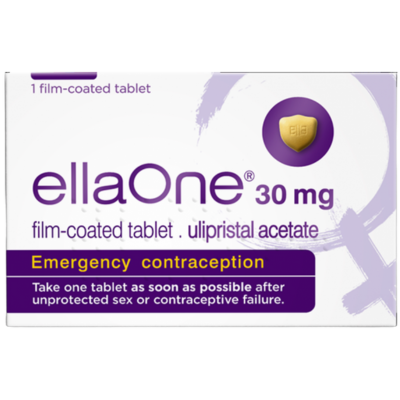
EllaOne 30mg

- Highly Effective
- Non-Invasive Option
- Hormonal Flexibility
- UK Regulated Pharmacy

EllaOne 30mg
Category:The Morning After PillellaOne is a morning-after tablet used to prevent pregnancy when other methods of contraception have failed (for example, a condom has split) or you have had sex without using any form of contraception. You should start taking ellaOne as soon as possible after having unprotected sex, however you can wait up to 5 days.
Fetching Data...



Frequently Asked Questions for EllaOne 30mg
What is EllaOne?
EllaOne is a form of emergency contraception used to help prevent pregnancy after unprotected sex or contraceptive failure. It contains the active ingredient ulipristal acetate, which works by delaying the release of an egg (ovulation). EllaOne remains effective for up to 120 hours (five days) after unprotected sex, offering a longer timeframe compared to other options. It is designed for occasional use and not as a regular contraceptive method.
How effective is EllaOne?
EllaOne is highly effective, with up to 98% success in preventing pregnancy when taken within 120 hours after unprotected sex. Its effectiveness increases the sooner it is taken. However, it won’t work if ovulation has already occurred or if you engage in unprotected sex again after taking the tablet.
How do you take EllaOne?
EllaOne should be taken as a single tablet, as soon as possible after unprotected sex, for the best results. Ideally, it should be taken within the first 24 hours but remains effective up to five days. It can be taken at any stage in your menstrual cycle. If you vomit within three hours of taking it, another dose may be required. Always follow the advice in the leaflet or consult a healthcare professional if unsure.