





Etoricoxib 60mg Tablets

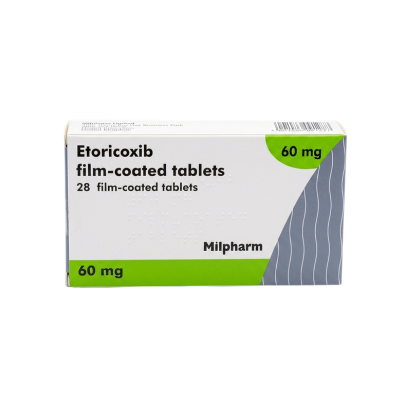
- Stops pain and inflammation at the source
- Lower risk of stomach irritation
- Effective pain management for up to 24 hours

Etoricoxib 60mg Tablets
Category:PainEtoricoxib is a high-strength anti-inflammatory (NSAID) belonging to the 'coxib' family. Unlike traditional painkillers, it is specifically designed to be more selective, targeting the enzymes responsible for pain and swelling while being gentler on the stomach.
Fetching Data...




Frequently Asked Questions for Etoricoxib 60mg Tablets
What is Etoricoxib?
Etoricoxib 60mg is a prescription anti-inflammatory painkiller belonging to a class of medicines known as COX-2 inhibitors, or coxibs. It is used to relieve pain and reduce inflammation associated with musculoskeletal conditions, arthritis, gout, and acute pain.
Etoricoxib is a prescription-only medicine (POM) and requires an online clinical assessment before it can be dispensed. It is taken once daily and is suitable for adults aged 18 and over.
What is Etoricoxib used for?
Etoricoxib 60mg tablets are indicated for the relief of pain and inflammation associated with a range of conditions, including:
Musculoskeletal pain - pain affecting the muscles, tendons, ligaments, and joints
Dental pain - short-term relief of pain following dental procedures
Gout - acute episodes of gout causing joint pain and swelling
Osteoarthritis - a chronic condition causing joint pain and stiffness
Rheumatoid arthritis - an inflammatory condition affecting the joints
Psoriatic arthritis - joint inflammation associated with psoriasis
Ankylosing spondylitis - a type of inflammatory arthritis affecting the spine
If you are unsure whether Etoricoxib is appropriate for your condition, our online prescribers will assess your symptoms and medical history as part of your consultation.
How does Etoricoxib work?
Etoricoxib works by selectively inhibiting an enzyme called COX-2 (cyclo-oxygenase-2). This enzyme plays a key role in the production of prostaglandins, chemicals in the body that trigger pain and inflammation at sites of tissue damage or injury.
By blocking COX-2, Etoricoxib reduces the production of these inflammatory chemicals, which in turn lowers pain levels and reduces swelling and stiffness in the affected area. The effect typically begins within 30 to 60 minutes of taking a dose.
Unlike older anti-inflammatory medicines such as ibuprofen and naproxen, which block both COX-1 and COX-2 enzymes, Etoricoxib selectively targets COX-2 only. This distinction is clinically relevant because blocking COX-1 is associated with the majority of gastrointestinal side effects seen with standard anti-inflammatories.
How is Etoricoxib different from ibuprofen and naproxen?
Ibuprofen and naproxen are non-selective anti-inflammatory medicines, meaning they block both COX-1 and COX-2 enzymes. COX-1 has a protective role in the stomach lining, so blocking it is associated with gastrointestinal side effects such as stomach irritation, ulcers, and bleeding.
Etoricoxib selectively targets only COX-2, which is the enzyme responsible for producing the inflammatory chemicals that cause pain and swelling. By leaving COX-1 unblocked, Etoricoxib provides comparable pain relief and anti-inflammatory effect while carrying a lower risk of gastrointestinal side effects for many people.
However, like all anti-inflammatories including ibuprofen and naproxen, Etoricoxib carries cardiovascular considerations, particularly with long-term use. The most appropriate choice of anti-inflammatory depends on your individual medical history and will be assessed by your prescriber.
How to take Etoricoxib tablets
Always take Etoricoxib exactly as directed by your prescriber and as described in the patient information leaflet enclosed with your medicine.
The recommended dose for most conditions is one 60mg tablet taken once daily.
1. Take one tablet once daily, with or without food.
2. Swallow the tablet whole with a glass of water.
3. Take at the same time each day to maintain a consistent routine.
4. Use the lowest effective dose for the shortest duration necessary to control your symptoms.
5. If your symptoms require a higher dose for chronic conditions such as rheumatoid arthritis or ankylosing spondylitis, your prescriber will advise on any dose adjustment. Do not increase your dose without guidance.
If you miss a dose, take it as soon as you remember, unless it is almost time for your next dose. Do not take two doses at once.
If you think you have taken more than prescribed, contact NHS 111 or go to your nearest A&E and take the packaging with you.
How long does Etoricoxib take to work?
Etoricoxib typically begins to take effect within 30 to 60 minutes of taking a dose. For acute pain such as dental pain or a gout flare, relief may be noticeable within the first day. For chronic conditions such as osteoarthritis or rheumatoid arthritis, the full benefit builds over several days of consistent use.
Always use the lowest effective dose for the shortest period necessary. If you are using Etoricoxib for a chronic condition, your prescriber should review your treatment periodically.
Who should not take Etoricoxib?
Etoricoxib is not suitable for everyone. Do not take Etoricoxib if you:
Are under 18 years of age
Are pregnant, trying to become pregnant, or are breastfeeding
Have a history of heart failure or any other form of heart disease
Have a history of high blood pressure that is not well controlled
Have a history of stomach bleeding or ulcers
Have significant liver or kidney disease
Have had a stroke or heart attack
Are allergic to Etoricoxib, aspirin, ibuprofen, naproxen, or any other anti-inflammatory medicine
Tell your prescriber about all medicines you currently take, including prescription medicines, over-the-counter products, and supplements, as Etoricoxib can interact with a number of other medicines.
Etoricoxib warnings
Speak to your prescriber before taking Etoricoxib if any of the following apply to you:
You have a history of stomach bleeding or ulcers
You are currently dehydrated, for example following prolonged vomiting or diarrhoea
You have swelling caused by fluid retention
You have a history of heart failure or any form of heart disease
You have a history of high blood pressure - Etoricoxib can raise blood pressure in some people, and your prescriber may want to monitor this
You have a history of liver or kidney disease
You are being treated for an infection - Etoricoxib can mask a fever, which is an important sign of infection
You have diabetes, high cholesterol, or are a smoker, as these increase cardiovascular risk
You are a woman trying to become pregnant - Etoricoxib may affect fertility
You are over 65 years of age
Etoricoxib can increase blood pressure. If you are taking this medicine long-term, regular blood pressure monitoring is advisable. Discuss this with your prescriber or GP.
Long-term use
Etoricoxib should always be used at the lowest effective dose for the shortest duration necessary. Like all anti-inflammatory medicines, long-term use carries implications for cardiovascular and kidney health.
If you are using Etoricoxib for a chronic condition such as rheumatoid arthritis, osteoarthritis, or ankylosing spondylitis, an annual review with your healthcare provider is recommended. This allows your prescriber to assess whether continued use remains appropriate and to monitor for any signs of side effects related to prolonged use.
Do not increase your dose or extend your course of treatment without consulting your prescriber.
More FAQs
Q: What is Etoricoxib used for?
Etoricoxib 60mg tablets are used to relieve pain and reduce inflammation associated with musculoskeletal pain, dental pain, gout, osteoarthritis, rheumatoid arthritis, psoriatic arthritis, and ankylosing spondylitis. It is a prescription-only COX-2 inhibitor taken once daily.
Q: How quickly does Etoricoxib work?
Etoricoxib typically starts to take effect within 30 to 60 minutes of taking a dose. For acute pain, relief may be noticeable within the first day. For chronic conditions, the full benefit usually builds over several days of consistent use.
Q: Is Etoricoxib stronger than ibuprofen?
Etoricoxib works differently from ibuprofen rather than simply being stronger. Ibuprofen blocks both COX-1 and COX-2 enzymes. Etoricoxib selectively targets only COX-2. This means it provides comparable anti-inflammatory and pain-relieving effects while being associated with a lower risk of gastrointestinal side effects such as stomach irritation. Your prescriber will advise on which is most appropriate for your situation.
Q: Can I take Etoricoxib with other painkillers?
It is important to disclose all medicines you are taking during your consultation. Etoricoxib should not be combined with other NSAIDs or COX-2 inhibitors. Some combinations with other medicines may not be appropriate. Your prescriber will review your full medication list.
Q: Can I drink alcohol while taking Etoricoxib?
There is no known direct interaction between Etoricoxib and alcohol. However, both alcohol and anti-inflammatory medicines can irritate the stomach lining, so limiting alcohol during treatment is generally advisable. Speak to your prescriber if you have any concerns.
Q: Can I take Etoricoxib if I have high blood pressure?
Etoricoxib can raise blood pressure in some people, particularly at higher doses. If you have a history of high blood pressure, your prescriber will assess whether it is appropriate to prescribe Etoricoxib and may recommend blood pressure monitoring during treatment. Disclose any history of high blood pressure during your consultation.
Q: Is Etoricoxib safe for long-term use?
Etoricoxib should always be used at the lowest effective dose for the shortest duration necessary. Long-term use carries implications for cardiovascular and kidney health. If you require Etoricoxib for a chronic condition, an annual review with your healthcare provider is recommended. Do not continue or increase your dose without prescriber guidance.
Q: Can I take Etoricoxib if I am over 65?
Etoricoxib can be prescribed for people over 65, but with additional caution. Older adults are more susceptible to side effects related to blood pressure, kidney function, and cardiovascular health. Your prescriber will assess suitability based on your full medical history.
Q: Can Etoricoxib mask the symptoms of an infection?
Yes. Etoricoxib can reduce fever, which is one of the body's main signs of infection. If you are being treated for an infection or develop signs of infection while taking Etoricoxib, speak to your GP promptly.
Q: What should I do if Etoricoxib is not controlling my pain?
Do not increase your dose without consulting your prescriber. If the 60mg dose is not providing sufficient relief, your prescriber may consider whether a higher dose or a different treatment approach is more appropriate for your condition.