





Naproxen Gastro-Resistant Tablets

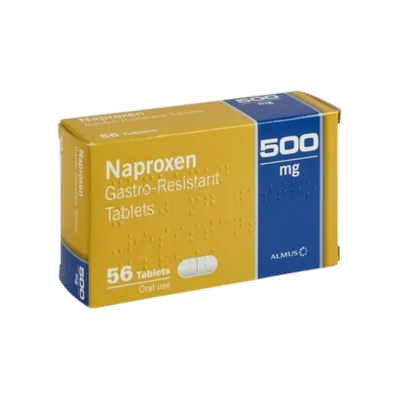
- Stomach-Safe Coating
- Superior Strength
- Long-Lasting Action

Naproxen Gastro-Resistant Tablets
Category:PainNaproxen is a high-strength Non-Steroidal Anti-Inflammatory Drug (NSAID) used to treat more severe or persistent pain that over-the-counter options cannot manage. Our gastro-resistant version features a specialised coating that ensures the tablet bypasses the stomach and dissolves in the intestine, significantly reducing the risk of gastric irritation.
Fetching Data...



Frequently Asked Questions for Naproxen Gastro-Resistant Tablets
Further Information
- What are Naproxen Gastro-Resistant Tablets?
- What is the gastro-resistant coating and why does it matter?
- Which strength should I choose - 250mg or 500mg?
- How do Naproxen Gastro-Resistant Tablets work?
- How to take Naproxen Gastro-Resistant Tablets
- Who should not take Naproxen?
- Naproxen interactions
- Side effects
- Naproxen and alcohol
- Pregnancy and breastfeeding
- Long-term use
- More FAQs
What are Naproxen Gastro-Resistant Tablets?
Naproxen Gastro-Resistant Tablets are a prescription-only oral anti-inflammatory medicine used to relieve pain and reduce inflammation associated with arthritis, gout, joint pain, menstrual cramps, and musculoskeletal conditions.
They contain naproxen, a non-steroidal anti-inflammatory drug (NSAID), and are available in two strengths: 250mg and 500mg. What distinguishes the gastro-resistant formulation from standard naproxen tablets is a special protective coating that prevents the tablet from breaking down in the stomach. Instead, it dissolves in the lower intestine, reducing the risk of gastric irritation that is commonly associated with NSAID use.
Naproxen is a prescription-only medicine (POM) and is stronger than over-the-counter NSAIDs such as ibuprofen. It requires an online clinical assessment before it can be dispensed. This is a generic medicine and the manufacturer may vary, but the active ingredient and its effect remain the same.
What is the gastro-resistant coating and why does it matter?
Standard naproxen tablets dissolve in the stomach, where the acidic environment can cause irritation to the stomach lining. Over time, and particularly with long-term use, this can increase the risk of side effects including indigestion, heartburn, nausea, and stomach ulcers.
The gastro-resistant coating on these tablets prevents stomach acid from breaking them down. The tablet passes through the stomach intact and dissolves instead in the lower intestine, where it is absorbed into the bloodstream. This significantly reduces direct contact between naproxen and the stomach lining.
It is important to note that the gastro-resistant coating reduces but does not eliminate the gastrointestinal risks associated with naproxen. If you are taking naproxen long-term for a chronic condition, your prescriber may recommend an additional stomach-protective medicine such as a proton pump inhibitor (PPI) alongside it.
Which strength should I choose - 250mg or 500mg?
Naproxen Gastro-Resistant Tablets are available in two strengths:
250mg - typically used as a lower maintenance dose or as part of a stepped dosing regimen
500mg - the standard starting and therapeutic dose for most conditions
Your prescriber will determine the most appropriate strength and dosing schedule for your specific condition during the consultation. Do not adjust your dose without guidance.
How do Naproxen Gastro-Resistant Tablets work?
Naproxen works by blocking the enzyme cyclo-oxygenase (COX), which the body uses to produce prostaglandins. Prostaglandins are chemicals that trigger the inflammatory response, causing pain, fever, and swelling. By reducing prostaglandin production, naproxen lowers inflammation and relieves pain.
Naproxen is a non-selective NSAID, meaning it blocks both the COX-1 and COX-2 enzymes. The gastro-resistant coating addresses the gastrointestinal side effects associated with COX-1 inhibition by preventing the tablet from dissolving in the stomach.
The effect typically begins within one hour of taking a dose. Because naproxen has a longer half-life than ibuprofen, it provides longer-lasting pain relief and generally requires less frequent dosing.
How to take Naproxen Gastro-Resistant Tablets
Always take Naproxen Gastro-Resistant Tablets exactly as directed by your prescriber and as described in the patient information leaflet enclosed with your medicine.
1. Swallow the tablet whole with a glass of water. Do not chew, bite, crush, or break the tablet as this destroys the gastro-resistant coating and negates its stomach-protective benefit.
2. Take with food to aid digestion and reduce the risk of stomach irritation.
3. Take at the same time each day where possible.
4. Always use the lowest effective dose for the shortest duration necessary.
5. Do not exceed the dose prescribed.
If you miss a dose, take it as soon as you remember, unless it is almost time for your next dose. Do not take two doses at once.
If you think you have taken more than prescribed, contact NHS 111 or go to your nearest A&E and take the packaging with you.
Who should not take Naproxen?
Do not take Naproxen Gastro-Resistant Tablets if you:
Are under 18 years of age
Are pregnant, particularly during the last three months of pregnancy
Have a known allergy to naproxen, aspirin, ibuprofen, or any other NSAID
Have had a previous stomach or intestinal bleed related to NSAID use
Have severe kidney, liver, or heart failure
Speak to your prescriber before taking naproxen if you have any of the following:
A history of heart problems, stroke, or high blood pressure
High cholesterol or diabetes
Asthma or nasal polyps
Liver or kidney problems
Blood clotting issues
Autoimmune conditions such as colitis, Crohn's disease, or lupus
Chicken pox or shingles
This service may not be suitable for older adults or those with complex health conditions. Our prescribers will assess suitability carefully during the consultation.
Naproxen interactions
Naproxen can interact with a significant number of medicines. Disclose all medicines you currently take during your consultation, including prescription medicines, over-the-counter products, and supplements.
Known interactions include medicines in the following categories:
Other painkillers and NSAIDs including aspirin, paracetamol, and ibuprofen
Anticoagulants (blood thinners) such as warfarin or heparin - naproxen can increase bleeding risk
Antidepressants (SSRIs) such as fluoxetine or citalopram
Diuretics such as furosemide
ACE inhibitors and angiotensin-II receptor antagonists used for blood pressure
Methotrexate used for arthritis, skin conditions, or cancer treatment
Ciclosporin or tacrolimus used after organ transplants or for skin conditions
Phenytoin used for epilepsy
Probenecid used for gout
Glimepiride and glipizide used for diabetes
Cardiac glycosides such as digoxin
Antibiotics including ciprofloxacin and moxifloxacin
Mifepristone used to terminate pregnancies
Topical steroids including hydrocortisone, prednisolone, and dexamethasone
This is not an exhaustive list. Our prescribers review your full medication list during the consultation and will not prescribe naproxen if there is a clinically significant interaction.
Side effects
The most common side effect of naproxen is gastrointestinal irritation. The gastro-resistant coating reduces but does not eliminate this risk.
Common side effects include:
Stomach pain or discomfort
Nausea
Indigestion or heartburn
Drowsiness
Dizziness
Headaches
Ringing in the ears (tinnitus)
Changes in vision
Skin rashes
Seek medical attention as soon as possible if you experience any of the following:
Persistent diarrhoea, vomiting, stomach pain, or unexplained weight loss
Persistently itchy skin, rashes, or blisters
Difficulty breathing
Chest pain
Bleeding from the back passage, or blood in vomit or stools
Swelling of the throat, face, hands, or feet
For a full list of possible side effects, refer to the patient information leaflet enclosed with your medicine. Report any side effects via the MHRA Yellow Card Scheme.
Naproxen and alcohol
Alcohol can be consumed in moderation while taking naproxen, but it is important to stay within recommended limits. Drinking above moderate amounts while taking naproxen increases the risk of damage to the stomach lining and can lead to gastritis, which causes significant discomfort and can worsen the gastrointestinal side effects associated with NSAID use. Speak to your prescriber if you have any concerns about alcohol use during treatment.
Pregnancy and breastfeeding
Naproxen should not be taken during the last three months of pregnancy as it may harm the unborn child and complicate labour. During the first six months of pregnancy, naproxen should only be used if absolutely necessary and under the direct guidance of a healthcare professional.
Naproxen can also make it more difficult to become pregnant. If you are trying to conceive, disclose this during your consultation.
If you are breastfeeding, speak to your doctor before taking naproxen.
Always disclose pregnancy status, plans to become pregnant, or breastfeeding status during your online consultation.
Long-term use
Naproxen should always be used at the lowest effective dose for the shortest duration necessary to control symptoms. For chronic conditions such as arthritis or ankylosing spondylitis that require ongoing management, regular reviews with your healthcare provider are important.
Even with the gastro-resistant coating, long-term use of naproxen can affect the stomach lining's ability to renew itself, increasing the risk of stomach ulcers over time. Your prescriber may recommend a stomach-protective medicine such as a proton pump inhibitor (PPI) alongside naproxen for long-term use.
Long-term use of NSAIDs also carries implications for cardiovascular and kidney health. If you require naproxen on an ongoing basis, an annual review is recommended.
More FAQs
Q: What are Naproxen Gastro-Resistant Tablets used for?
Naproxen Gastro-Resistant Tablets are a prescription NSAID used to relieve pain and inflammation associated with arthritis, gout, ankylosing spondylitis, musculoskeletal pain, and menstrual cramps. The gastro-resistant coating reduces the risk of stomach irritation compared to standard naproxen tablets.
Q: What is the difference between gastro-resistant naproxen and standard naproxen?
Standard naproxen dissolves in the stomach, where it can irritate the stomach lining. Gastro-resistant naproxen has a special coating that prevents it from breaking down in the stomach, allowing it to dissolve instead in the lower intestine. This reduces direct contact between naproxen and the stomach lining and lowers the risk of gastrointestinal side effects such as indigestion, heartburn, and stomach ulcers.
Q: Is naproxen stronger than ibuprofen?
Naproxen is a prescription-only NSAID and is considered stronger than over-the-counter ibuprofen. It also has a longer half-life, meaning it stays active in the body for longer and requires less frequent dosing. It is typically used for more significant or chronic pain conditions where over-the-counter NSAIDs have not provided sufficient relief.
Q: How long does naproxen take to work?
Naproxen typically begins to take effect within one hour of taking a dose. For chronic conditions such as arthritis, the full benefit builds over several days of consistent use.
Q: Do I still need stomach protection if I take gastro-resistant naproxen?
The gastro-resistant coating reduces but does not eliminate the risk of stomach irritation. For long-term use, your prescriber may recommend a stomach-protective medicine such as a proton pump inhibitor (PPI) alongside naproxen. Always follow your prescriber's guidance.
Q: Can I drink alcohol while taking naproxen?
Alcohol in moderation is generally permissible but drinking above recommended limits while taking naproxen increases the risk of stomach irritation and gastritis. Speak to your prescriber if you have any concerns.
Q: Can I take naproxen with other painkillers?
Naproxen should not routinely be combined with other NSAIDs such as ibuprofen or aspirin, as this increases the risk of side effects. It can interact with a wide range of other medicines. Disclose all medicines you are taking during your consultation.
Q: Can I take naproxen if I am pregnant?
Naproxen must not be taken during the last three months of pregnancy. During the first six months, it should only be used under direct medical guidance. Naproxen can also affect fertility. Disclose pregnancy status or plans to conceive during your consultation.
Q: Is naproxen suitable for older adults?
Naproxen can be prescribed for older adults but requires additional caution due to increased cardiovascular, gastrointestinal, and kidney risk in this group. A lower dose may be appropriate. Our prescribers will assess suitability carefully during the consultation.
Q: What is the difference between naproxen and Etoricoxib?
Both are prescription anti-inflammatory medicines but from different classes. Naproxen is a non-selective NSAID that blocks both COX-1 and COX-2 enzymes. Etoricoxib is a selective COX-2 inhibitor that leaves COX-1 unblocked, resulting in a lower risk of gastrointestinal side effects. The most appropriate choice depends on your individual medical history and will be assessed by your prescriber.