





Pantoprazole Tablets

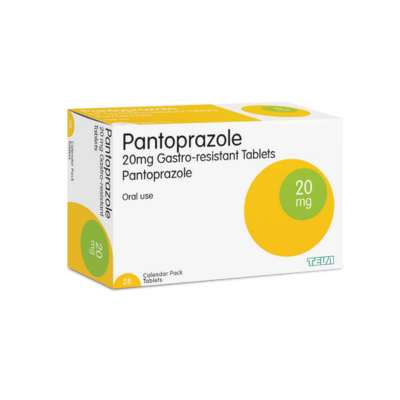
- Effective Relief for Acid Reflux and Heartburn
- Prevents Stomach Ulcers from NSAIDs
- Long-Term Management
- UK Regulated Pharmacy

Pantoprazole Tablets
Category:Acid RefluxPantoprazole is a proton pump inhibitor (PPI) that reduces the production of stomach acid. It is used to treat conditions such as acid reflux, heartburn, gastro-oesophageal reflux disease (GORD), and indigestion. Additionally, it helps prevent stomach ulcers, particularly in people who take NSAIDs long-term, and can be used as part of a treatment plan for H. pylori infections.
Fetching Data...



Frequently Asked Questions for Pantoprazole Tablets
How Does Pantoprazole Work?
Pantoprazole works by blocking the proton pumps in the stomach lining that produce digestive acid. This reduces acidity, helping to alleviate symptoms like heartburn, acid reflux, and indigestion. By lowering stomach acid levels, it also allows ulcers or inflammation in the digestive tract to heal.
How to Take Pantoprazole
- Standard dosage: One 20mg tablet once a day, ideally one hour before a meal.
- Swallow whole with water—do not chew, crush, or break the tablet.
- For best results, take the medication at the same time each day.
- Use daily for up to 4 weeks. If symptoms persist beyond 2 weeks, consult a GP.
- If symptoms return frequently, a doctor may recommend longer-term treatment or further testing.
Possible Side Effects
Pantoprazole is generally well tolerated, but some people may experience mild side effects.
Common Side Effects (May Affect Up to 1 in 10 People):
- Headaches
- Constipation or diarrhoea
- Bloating and wind (flatulence)
- Nausea or vomiting
- Mild stomach discomfort
Rare but Serious Side Effects (Seek Medical Help Immediately):
- Severe allergic reactions – swelling of the lips, tongue, or face, difficulty breathing
- Unexplained weight loss, vomiting blood, or black stools (these could indicate a more serious underlying condition)
- Severe stomach pain that worsens
- Extreme fatigue, dizziness, or confusion (possible signs of low magnesium or vitamin B12 levels)
Warnings and Precautions
Do not take pantoprazole if you:
- Are allergic to pantoprazole or other PPIs (e.g., omeprazole, lansoprazole).
- Are taking certain HIV medications (e.g., nelfinavir, ritonavir).
- Have severe liver or kidney disease without consulting a doctor.
Consult a doctor before taking pantoprazole if you:
- Are taking warfarin, methotrexate, phenytoin, or antifungal medications (as these may interact with pantoprazole).
- Have low vitamin B12 or osteoporosis (as long-term use may affect bone health).
- Develop new or worsening symptoms such as trouble swallowing, persistent nausea, or stomach pain.
If symptoms persist beyond 2 weeks or return frequently, speak to a doctor. Long-term use should be monitored, as prolonged suppression of stomach acid may have additional effects.