





Prochlorperazine

- Relieves Nausea and Vomiting
- Helps with Vertigo
- Quick Relief

Prochlorperazine
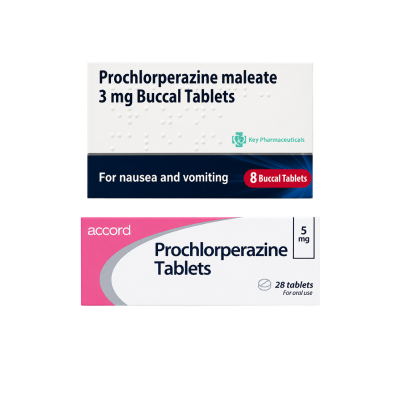
Category:NauseaProchlorperazine is a prescription-strength anti-emetic medication available in two forms: standard 5mg swallowed tablets and 3mg buccal tablets that dissolve between the gum and upper lip. Both formulations treat nausea, vomiting, and vertigo caused by conditions including Meniere's disease, labyrinthitis, migraines, and motion sickness.
Fetching Data...




Frequently Asked Questions for Prochlorperazine
Choosing the Right Formulation
Prochlorperazine 5mg Tablets The standard oral tablet, swallowed with water. Suitable for most adults managing nausea, vomiting, or vertigo where swallowing is not a problem. Available in a 28-tablet pack, this is the most commonly prescribed form of prochlorperazine in the UK.
Prochlorperazine 3mg Buccal Tablets Designed to be placed between the gum and the upper lip, where they dissolve slowly and are absorbed directly through the mucous membrane into the bloodstream — bypassing the digestive system entirely. This makes buccal tablets particularly advantageous when nausea or active vomiting makes swallowing a tablet difficult or unreliable. Available in packs of 16, 32 (2 x 16), and 48 (3 x 16) tablets.
How Prochlorperazine Works
Both formulations share the same active ingredient and mechanism of action. Prochlorperazine is a phenothiazine that works by blocking dopamine D2 receptors in the brain's chemoreceptor trigger zone (CTZ) and vomiting centre. This interrupts the nerve signals responsible for triggering nausea and vomiting, making it highly effective across a range of causes including inner ear disorders, migraine, and motion sickness.
The key difference between the two forms is how the drug enters your system. The 5mg tablet is absorbed through the gastrointestinal tract after swallowing, while the 3mg buccal tablet is absorbed directly through the lining of the mouth, which can result in faster onset and consistent absorption even when the stomach is unsettled.
Dosage & Instructions
Prochlorperazine 5mg Tablets
- Nausea and vomiting prevention: 5–10mg, two to three times daily.
- Acute nausea and vomiting treatment: 20mg as an initial dose, followed by 10mg after two hours if required. Maximum 30mg per day.
- Vertigo (including Meniere's syndrome): 5mg three times daily. May be increased gradually up to 30mg per day. Once symptoms improve, reduce gradually to a maintenance dose of 5–10mg daily.
Prochlorperazine 3mg Buccal Tablets
- Nausea and vomiting: Place one 3mg tablet between the upper gum and lip on either side of the mouth. Allow to dissolve slowly — do not chew or swallow. One tablet twice daily is the usual starting dose. A second tablet may be used if needed, but do not exceed two tablets in 24 hours unless directed by your prescriber.
- Do not eat or drink while a buccal tablet is dissolving. If the tablet falls out within the first hour, replace it with a new one.
- Always follow the specific dosage instructions provided by your prescribing pharmacist.
Who Is It For?
Prochlorperazine in either form is suitable for adults experiencing nausea and vomiting associated with migraines, Meniere's disease, labyrinthitis, vertigo, motion sickness, and other clinically assessed causes.
The buccal tablet is particularly well-suited to patients who:
- Experience vomiting that makes swallowing tablets unreliable
- Have difficulty swallowing oral tablets
- Need faster or more consistent absorption during acute nausea episodes
- Are managing migraine attacks where gastric stasis (slowed stomach emptying) may affect how well oral tablets are absorbed
The 5mg tablet is well-suited to patients who:
- Are managing ongoing or preventative treatment for nausea or vertigo
- Are comfortable swallowing tablets and not actively vomiting
- Prefer a straightforward once or twice daily oral routine
Side Effects
Both formulations carry the same side effect profile as they share the same active ingredient.
Common side effects include drowsiness, dry mouth, dizziness, blurred vision, headaches, and nasal congestion. These are generally mild and often reduce as your body adjusts to the medication.
Serious side effects requiring immediate medical attention include uncontrollable muscle movements, muscle stiffness or rigidity, unusual heart rhythms, difficulty breathing, unexplained fever, or signs of an allergic reaction such as swelling or rash.
With buccal tablets specifically, some patients may notice mild irritation or discomfort at the site of placement inside the mouth. Rotating the placement side can help reduce this.
Important Warnings & Precautions
Pregnancy and breastfeeding: Prochlorperazine is not recommended during pregnancy or breastfeeding due to insufficient safety data. Consult your GP or midwife before use.
Health conditions: Neither form is suitable for people with a history of Parkinson's disease, narrow-angle glaucoma, severe liver dysfunction, a history of agranulocytosis, or hypersensitivity to prochlorperazine or other phenothiazines.
Drug interactions: Avoid use alongside alcohol, sedatives, barbiturates, or medications known to prolong the QT interval. Always disclose all current medications during your online consultation.
Elderly patients: Both formulations should be used with particular caution in older adults due to increased risk of postural hypotension, Parkinsonism, and confusion. A lower starting dose is typically recommended.
Driving and machinery: Both tablets and buccal tablets may cause drowsiness or dizziness. Do not drive or operate heavy machinery until you know how the medication affects you.
More FAQs
What is the difference between prochlorperazine tablets and buccal tablets? Prochlorperazine 5mg tablets are swallowed with water and absorbed through the digestive system. Prochlorperazine 3mg buccal tablets are placed between the gum and upper lip and dissolve there, absorbing directly into the bloodstream through the mucous membrane. Buccal tablets are particularly useful when nausea or vomiting makes swallowing difficult, or when consistent absorption is needed during a migraine attack where gastric stasis may reduce how well oral tablets work.
Which prochlorperazine is right for me — tablets or buccal? If you are managing ongoing nausea or vertigo and can swallow comfortably, the 5mg tablet is likely the most straightforward option. If you experience acute vomiting, difficulty swallowing, or migraines with significant gastric symptoms, the 3mg buccal tablet is usually the more effective and reliable choice. Your prescribing pharmacist will recommend the most appropriate formulation based on your consultation.
How do I use prochlorperazine buccal tablets correctly? Place one 3mg buccal tablet between your upper gum and lip on either side of the mouth. Do not chew, suck, or swallow it. Allow it to dissolve naturally over 1–2 hours. Avoid eating or drinking while it dissolves. If it falls out within the first hour, replace it with a new tablet.
Can I switch between the tablet and buccal forms? You should only switch formulations on the advice of your prescribing pharmacist, as the doses differ between the two forms (5mg oral versus 3mg buccal). Your pharmacist will advise on the appropriate formulation and dose for your specific situation.
How quickly does prochlorperazine work? The 5mg oral tablet typically begins to work within 30 to 60 minutes. The 3mg buccal tablet may act more rapidly in some patients as it bypasses the digestive system, which can be particularly advantageous during episodes of active nausea or vomiting.
Can I buy prochlorperazine buccal tablets online in the UK? Yes. Both prochlorperazine 5mg tablets and 3mg buccal tablets are available to order online from My London Pharmacy following a short clinical consultation reviewed by a UK-registered independent prescribing pharmacist. No GP visit is required.
What are the side effects of prochlorperazine? Common side effects for both formulations include drowsiness, dry mouth, dizziness, blurred vision, and nasal congestion. With buccal tablets, mild mouth irritation at the placement site is also possible. Seek immediate medical attention if you experience muscle stiffness, unusual heart rhythms, difficulty breathing, or signs of an allergic reaction.
Is prochlorperazine safe during pregnancy? Prochlorperazine is not recommended during pregnancy or breastfeeding due to limited safety data. If you are pregnant and experiencing severe nausea or vomiting, speak with your GP or midwife before taking any anti-emetic medication.
What is prochlorperazine used for? Prochlorperazine is used to prevent and treat nausea and vomiting from various causes, and to manage vertigo associated with conditions such as Meniere's disease and labyrinthitis. It is also prescribed for migraine-associated nausea. It works by blocking dopamine receptors in the brain that trigger the vomiting reflex.